Skip to content


Conservatory Blinds Ideas: Styling and Cooling a Glass Room
- by Mariam Labadze
 The best conservatory blinds ideas tackle two things at once: cooling the room so it stays usable in summer, and styling it so it feels like part of the house rather than a bolt-on. In practice that means insulating pleated or thermal blinds on the roof and side glass to control heat, a consistent colour to tie the space together, and a fitting that suits your frames. Get the heat under control first, then dress it.
A conservatory lives or dies on comfort. A beautiful glass room that hits sauna temperatures by noon and freezes by October goes unused, and no styling fixes that. So these ideas start with temperature, then move to the look, because a room you actually want to sit in is the whole aim. Below are the ideas that work across the seasons for UK conservatories.
Start with the heat: cooling ideas that work
Cover the roof, not just the sides
Most of a conservatory's summer heat comes through the roof, where the sun hits the glass most directly for the longest part of the day. Dressing only the side windows leaves the biggest heat source wide open. The single most effective conservatory blinds idea is to fit blinds to the roof glass or roof panels as well as the verticals, so you intercept the sun before it turns the room into a greenhouse.
Roof blinds are the difference between a room that is pleasant at midday and one you have to abandon until evening. They are more involved to fit than side blinds, but they do the heavy lifting on temperature, so they are worth prioritising in the budget.
Choose insulating fabrics
Fabric choice decides how much heat the blinds actually control. A thin decorative fabric looks nice and does little. A thermal or honeycomb fabric traps a layer of still air against the glass and slows heat transfer in both directions, blocking solar gain in summer and holding warmth in winter. In an all-glass room, that insulating layer is doing real work every hour of daylight.
This is where thermal blinds move from a nice-to-have to the core of the plan. Building the scheme around thermal blinds means every panel is contributing to comfort, not just privacy. In a room defined entirely by glass, that adds up across the whole space.
Perfect fit pleated blinds for the panels
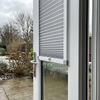
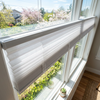
For the side windows and doors, a slim pleated blind in a perfect fit frame is a strong all-rounder. The concertina folds suit the many panels of a conservatory, the frame clips on without drilling, and thermal pleated versions add insulation to the verticals to match the roof. Because they sit tight against each pane, they keep the glass line clean and do not crowd the narrow bars between panels.
The perfect fit pleated blinds range is built for exactly this, with slim frames that clip to UPVC and honeycomb fabrics that pull double duty on heat and light. For the roof and any specialist roof lights, matching skylight blinds hold their position on the slope so they do not sag or gape, which a standard side blind would do on an angled roof.
Style the room so it feels like home
Keep the colour consistent
The quickest way to make a conservatory feel considered rather than added-on is to run one blind colour throughout. A room full of glass has a lot of frame and a lot of blind on show, so mismatched colours look busy fast. Pick a shade that carries through from the roof to the verticals to the doors, and the space reads as one calm room rather than a patchwork.
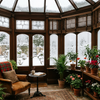
Neutral tones, soft whites, greys and warm stones, tend to work best because they bounce light and sit quietly behind whatever furniture and plants you bring in. A conservatory is usually a light, garden-facing room, and letting the greenery and the view provide the colour keeps it timeless.
Match the blind style to how you use the room
A dining conservatory wants blinds you can close fully for evening privacy and warmth. A plant-filled garden room might prefer light-filtering fabrics that keep the space bright while cutting glare. A conservatory used as a home office needs glare control above all, so light-steering pleats or a fabric that softens rather than blocks daylight will serve better than full blackout.
Think about the main use before the look. The right fabric for the job usually looks right too, because it is doing what the room needs rather than fighting it.
Dress the doors as well
Conservatories are full of doors, and a loose blind on a door swings and bangs. Fitting perfect fit blinds to the door glass keeps the dressing flat against the sash so it moves with the door and stays tidy. Treating the doors as part of the scheme, not an afterthought, is what makes the whole room look finished.
Bringing it together by season
Across the year, the plan is simple: insulate against the summer sun and the winter chill, and keep the look consistent so the room feels intentional. Roof and panel blinds in thermal fabrics carry the room through July, the same insulating layer holds heat in through January, and a single colour palette ties it all together. That is the difference between a conservatory used three months a year and one used twelve.
For a starting point sized and styled for glass rooms specifically, the conservatory blinds collection groups the side and panel options in one place, so you can plan the verticals and the roof as one scheme rather than piecing it together. Decide on the fabric performance first, settle the colour, then order the roof and sides together so everything matches on day one.
Frequently asked questions
What are the best blinds for a conservatory?
Thermal or honeycomb pleated blinds are usually the best all-round choice, because they insulate against summer heat and winter cold while suiting the many panels of a glass room. Perfect fit versions clip onto UPVC without drilling and sit neatly against each pane. For the roof, dedicated roof or skylight blinds are needed to hold position on the slope.
How do you cool a conservatory with blinds?
Cover the roof glass, not just the side windows, because most of the summer heat comes through the roof. Use thermal or honeycomb fabrics that trap a layer of still air and block solar gain before it enters the room. Combining roof blinds with insulating side and door blinds gives the biggest drop in temperature across the day.
What blinds suit a conservatory roof?
Skylight or roof-specific blinds are the right choice, because they are designed to stay taut on an angled or sloped surface where an ordinary side blind would sag or gape. Thermal fabrics are especially valuable on the roof, since that is where the most heat enters and escapes. Fitting them to match the side blinds keeps the whole room looking consistent.